

Are Kids in Austin Overtired? Child Sleep Help in Austin, Texas
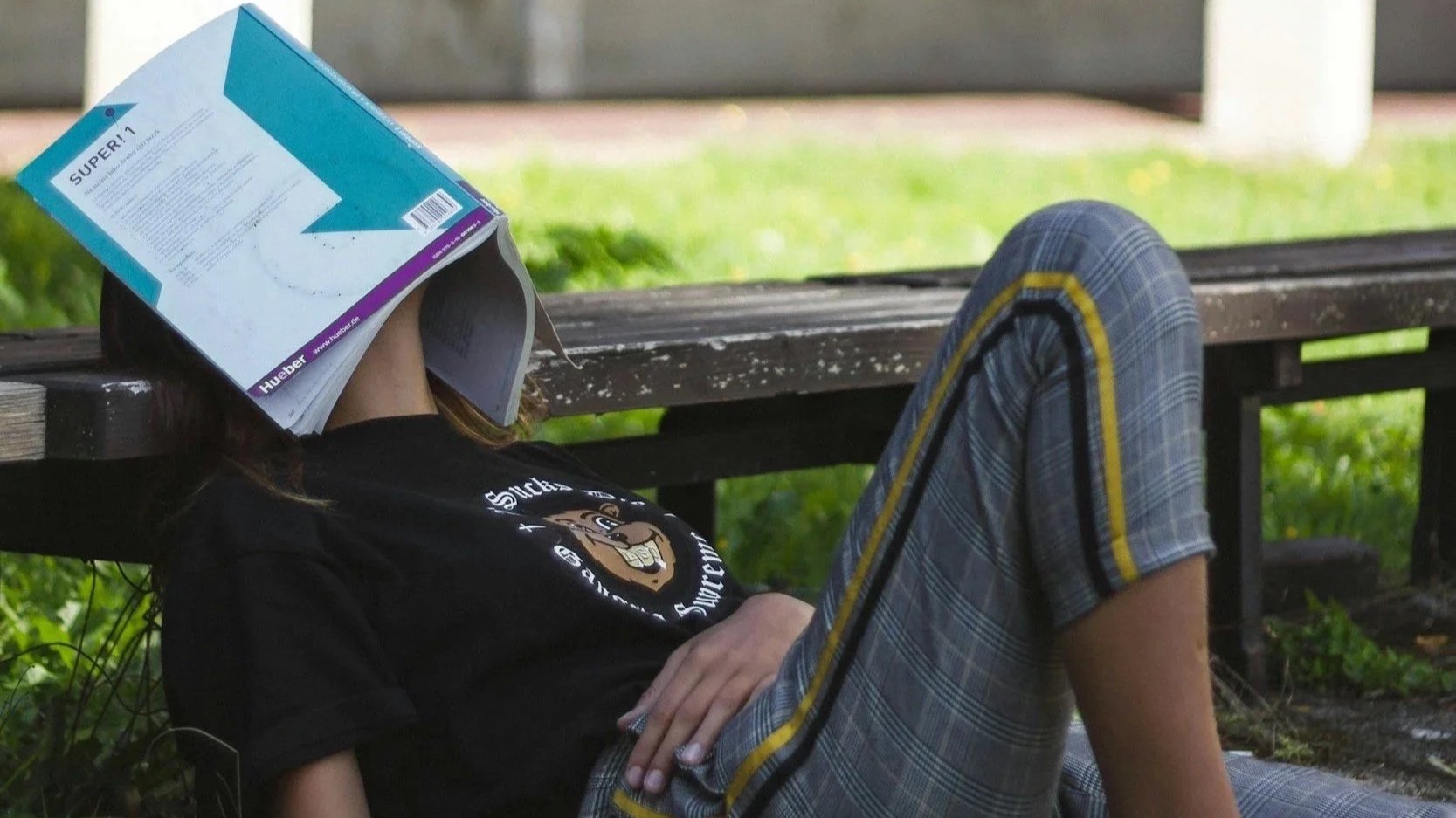
Austin Children Are Overtired — Here’s Why It Matters More Than You Think
Sleep isn’t just about rest — it’s the foundation for your child’s mood, behavior, and development.
Yet right now, many children are not getting enough of it.
In Texas, data shows that 43% of children are not getting sufficient sleep, meaning nearly half of children are moving through their days in a state of overtiredness. 👉 https://sph.uth.edu/research/centers/dell/texas-child-health-status-report/sleep-quality
As a sleep consultant in Austin, Texas, this is something I see every single day with families.
Overtired Doesn’t Always Look Like Tired
An overtired child rarely looks calm or sleepy. Instead, it often looks like:
increased tantrums
heightened emotional reactions
hyperactivity or a “second wind” at night
difficulty falling asleep
more frequent night wakings
early morning wake-ups
Many parents are told their child will “sleep when they’re tired,” but in reality:
👉 overtiredness makes sleep harder, not easier
Why This Is So Common in Texas Families
Texas families are balancing a lot, and sleep often gets pushed later without realizing the impact.
Common patterns include:
later bedtimes than a child’s biology supports
inconsistent nap schedules (especially with daycare)
busy, stimulating days
uncertainty around sleep timing and needs
When this happens consistently, children miss their natural sleep windows — and sleep becomes more fragmented and harder to maintain.
The Impact Goes Far Beyond the Night
Insufficient sleep affects:
emotional regulation
behavior
attention and learning
overall family stress
a child’s sense of security, which can sometimes show up as increased clinginess or difficulty separating
When sleep improves, everything else begins to feel easier:
fewer meltdowns
smoother transitions
more connection during the day
The Shift That Changes Everything
Sleep is not something children just grow into — it is something they learn and are supported through.
This includes:
prioritizing appropriate bedtimes
creating consistent routines
placing your child down awake
avoiding overtiredness
This is crucial for teaching them self-soothing and becoming a successful sleeper before they start to become more aware of their surroundings and go through developmental leaps that could affect their sleep. In the long run, you will be thanking yourself because by doing that, you will be able to have a successful sleeper that allows the family to be successful sleepers as well.
Support for Your Child’s Sleep — and Behavior
If your child is struggling with sleep or you’re noticing challenges with behavior at home or at school, and you’re looking for support from a sleep consultant and behavior specialist in Austin, Texas, you can schedule a call with me here.
Book an Intro Call → https://www.habitualsleepers.com/contact